
What to Do When Your Well Pump Stops Working (Emergency Guide)
When your water suddenly stops flowing, it can be stressful and confusing, especially if your home depends entirely on a private well system. One moment everything is fine, and the next you’re asking yourself: why do I have no water?
A failed well system doesn’t always mean a serious problem, but it needs quick attention. In this guide, you’ll learn what to check, common causes, and when to call a professional. We’ll also cover issues like a well pump not turning on, low pressure, or uneven water flow.
Let’s get started.
First Step: Don’t Panic and Check the Basics
When your water suddenly stops working, it’s easy to assume the worst right away, but in many cases, the problem is actually something simple.
Before jumping to conclusions about a major pump failure, take a moment to check a few basic things. A large number of “no water” situations are caused by small electrical or system issues that can often be identified quickly.
Start with the power supply to your well system. If there’s been a recent storm, outage, or even a minor electrical fluctuation, your system may have lost power without you noticing. Next, take a look at your circuit breakers or fuses, as these can trip when the system is under strain or experiences a surge.
It’s also worth checking any visible switches near your pressure tank or pump control box. Sometimes a switch may have been accidentally turned off during cleaning or maintenance, which can completely stop water flow to the house.
Here’s a quick checklist to go through:
- Check the power supply to the pump system
- Inspect circuit breakers or tripped fuses
- Look at any manual switches near the pressure tank or control box
If everything appears normal but you still have no water, then the issue is likely not surface-level. At that point, the problem may be deeper within the system, such as the pump itself, the pressure tank, or internal components that require professional diagnosis.
Common Reasons Why You Have No Water
When a well system stops working, there are a few common causes that usually explain the problem. Understanding these can help you narrow down what’s happening.
1. Well Pump Not Turning On
One of the most common issues is a well pump not turning on at all. This can be caused by:
- Electrical failure
- Faulty pressure switch
- Burned-out pump motor
If the pump is not receiving power or is unable to activate, water will not enter your home at all.
2. Water Pressure Drops in House
If you notice a sudden water pressure drops in house, it often means the pump is struggling but not completely dead. This can happen due to:
- Failing pressure tank
- Blocked pipes or sediment buildup
- Weak pump performance
In some cases, water may still flow, but only at very low pressure.
3. Well Pump Runs Constantly
A well pump runs constantly is another serious warning sign. Instead of cycling on and off, the pump keeps running without stopping.
This usually indicates:
- Water leak in the system
- Faulty pressure switch
- Damaged pressure tank bladder
If ignored, this can burn out the pump motor and lead to full system failure.
4. No Water After Storm
If your water stops working no water after storm, the issue is often electrical or related to power surges.
Storms can cause:
- Tripped breakers
- Damaged control boxes
- Lightning damage to pump components
In these cases, the system may need a reset or professional inspection.
5. Air in Water Lines Well
If you turn on your tap and notice sputtering or bursts of air, you may have air in water lines well.
This can be caused by:
- Low water levels in the well
- Leak in suction line
- Faulty pump losing prime
Air in the system often leads to inconsistent flow and weak pressure.
Supporting Warning Signs You Shouldn’t Ignore
Sometimes the problem doesn’t show up as a complete shutdown. Instead, you may notice smaller issues like:
- No water in certain taps
- Constant low pressure throughout the home
- Strange noises from the pump system
- Water taking longer to build pressure
These are early warning signs that your system is under stress and may soon fail completely.
What to Check Before Calling a Professional
If you’re comfortable doing a quick inspection, here are a few safe steps:
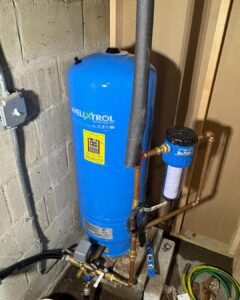
Check the Pressure Tank
Look for signs of:
- Water leaking around the tank
- Unusual cycling patterns
- No pressure build-up
A failing pressure tank can often mimic pump failure.
Inspect the Breaker Panel
Sometimes the issue is as simple as a tripped breaker. Resetting it may temporarily restore function, but repeated trips indicate a deeper electrical problem.
Listen to the Pump System
If you hear clicking, humming, or constant running, it may help identify whether the pump is trying to work or completely dead.
When It Becomes an Emergency
Some situations require immediate attention, especially if:
- You have no water at all
- The pump is running nonstop
- Water pressure drops suddenly across the entire house
- The system stopped working after a storm
In these cases, waiting can make the problem worse. A failing pump can quickly turn into a full system replacement if not addressed early.
Why Quick Action Matters
When a well system starts showing signs of trouble, it can be tempting to delay repairs, especially if water is still coming through, even at low pressure. However, this is one of those situations where waiting usually makes things worse, not better.
A struggling system is often already under stress, and continuing to run it in that condition can quickly lead to more serious damage. What may begin as a minor issue like low pressure or inconsistent flow can escalate into a complete system failure if it’s not addressed in time.
Here’s what can happen when repairs are delayed:
- The pump motor can overheat and eventually burn out
- The pressure tank may become damaged or waterlogged
- Repair costs increase significantly as multiple components fail
- The system can shut down completely, resulting in full no water supply
In many cases, homeowners only realise the seriousness of the problem once the water stops entirely. Acting early not only helps prevent major breakdowns but also keeps repair work simpler, faster, and far more cost-effective in the long run.
When You Need Professional Help You Can Trust
Sometimes, well pump problems go beyond basic troubleshooting. If you’ve checked the simple issues and still don’t have water or your system keeps acting up, it’s usually a sign that professional support is needed.
In situations like no water, sudden low pressure, or repeated system failures, it’s important to work with a team that understands the full well system, not just the pump itself. That includes the pressure tank, wiring, controls, and overall water flow balance.
This is where experienced local specialists like County Pump & Supply Inc. become especially valuable. They’ve been serving homeowners across Massachusetts for decades, focusing entirely on well systems, which means they understand the real causes behind issues like why do I have no water, well pump not turning on, or water pressure drops in house.
Their team handles everything from quick diagnostics to full system repairs and replacements, including:
- Well pump repair and replacement
- Pressure tank and system troubleshooting
- Emergency no water situations
- Complete well system installations
- Fast on-site service with fully equipped trucks
For homeowners dealing with sudden breakdowns or ongoing issues like a well pump runs constantly or air in water lines well, getting the right diagnosis quickly can prevent further damage and higher repair costs.
In most cases, what seems like a major failure can be fixed efficiently when handled by specialists who work with these systems every day.
FAQs
1. Why do I suddenly have no water in my house with a well system?
Sudden no water in a well system is often caused by electrical issues, a tripped breaker, pump failure, or a faulty pressure switch. In some cases, low water levels in the well or a damaged pressure tank can also stop water flow completely.
2. What does it mean if my well pump not turning on?
If your well pump not turning on, it usually indicates an electrical problem, such as a blown fuse, tripped breaker, or failed control switch. It can also mean the pump motor has burned out and may require repair or replacement.
3. Why does my water pressure drops in house throughout the day?
A water pressure drops in house issue is commonly linked to a failing pressure tank, clogged pipes, or a weakening pump. It may also indicate sediment buildup or inconsistent pump performance that needs professional inspection.
4. Is it normal for a well pump runs constantly?
No, a well pump runs constantly is not normal. It often signals a leak in the system, a faulty pressure switch, or a damaged pressure tank. If ignored, it can cause the pump motor to overheat and fail completely.
5. What should I do if I get no water after storm?
If you experience no water after storm, first check your circuit breaker and reset any tripped switches. Storms can also cause electrical surges or damage to the pump system, so if water does not return quickly, professional service is recommended.
Final Thoughts
When your water suddenly stops, it’s easy to panic and immediately assume the worst. But in many cases, the cause behind why do I have no water is something that can be diagnosed and fixed quickly with the right approach.
Whether it’s a well pump not turning on, pressure issues, or air in water lines well, early detection is key. Paying attention to warning signs like water pressure drops in house, constant pump operation, or sudden shutdown after storms can help you avoid bigger and more expensive problems later.
If your system shows any of these symptoms, it’s always best to act early rather than wait for a complete failure.