
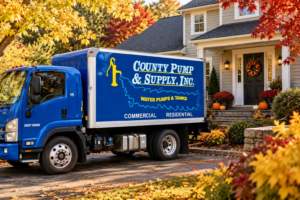
Fall Well Maintenance Checklist:
5 Ways to Prepare Your Well System for Winter
5 Ways to Prepare Your Well System for Winter
5 Fall Well Checks to Make Before Winter
Fall is a good time to get your home ready for colder weather—and if your home relies on a private well, your well system should be part of that seasonal checklist.
Your well pump, pressure tank, water lines and other components work together every day to keep water flowing throughout your home. Taking a few minutes to look over the system before freezing temperatures arrive can help you spot changes or potential problems before winter makes them more difficult to address.
Here are five things worth checking around your well system this fall.
1. Check Your Well Cap and Wellhead
Start outside at the top of your well.
Your well cap should be secure, undamaged and properly sealed. Look for cracks, loose fittings or anything that appears to have shifted or deteriorated.
A properly installed well cap helps prevent insects, debris and surface water from entering the well. You should also make sure the area around the wellhead is clear and that water drains away from the well rather than collecting around it.
If the cap is damaged, loose or no longer sealing correctly, have it inspected rather than attempting to modify the wellhead yourself.
2. Protect Exposed Well Pipes and Water Lines From Freezing
Frozen pipes aren’t only a plumbing concern. Water lines connected to your well system can also be vulnerable when temperatures drop.
Take a look at any pipes or fittings located in areas that aren’t consistently heated, including:
- Crawl spaces
- Garages
- Unheated basements
- Utility areas
- Exterior walls
- Other exposed locations
Proper insulation and protection can reduce the risk of pipes freezing when temperatures fall.
Fall is the time to identify vulnerable areas—not after a cold snap arrives and water has already stopped flowing.
3. Winterize Outdoor Water Lines
Garden hoses, outdoor faucets and seasonal water lines are easy to forget once summer is over.
Before freezing temperatures arrive, disconnect garden hoses and shut off or drain outdoor water supplies where appropriate. Irrigation systems and other seasonal water lines should also be properly winterized.
Why does it matter?
Water expands when it freezes. Water trapped inside a pipe or fitting can create pressure and potentially damage the line as temperatures fall.
Adding outdoor water lines to your fall well maintenance checklist can help prevent an avoidable cold-weather problem.
4. Pay Attention to Your Pressure Tank and Well Pump
You don’t have to be a well professional to notice when your system suddenly starts behaving differently.
One thing to pay attention to is how frequently your well pump runs.
If you turn on a faucet and notice the pump repeatedly turning on and off within a short period of time, your system may be short-cycling.
Short-cycling can have several possible causes, including issues involving the pressure tank or other components of the well system. Frequent cycling can also create unnecessary wear on your well pump.
Other changes worth paying attention to include:
- Unusual sounds from the pressure tank or pump system
- A noticeable change in how frequently the pump runs
- Fluctuating water pressure
- A pump that seems to run longer than usual
A change doesn’t automatically mean you have a major well problem, but it is worth investigating—especially before winter.
5. Watch Your Water Pressure, Flow and Clarity
Sometimes the first sign of a well system problem shows up right at the faucet.
As you use your water this fall, pay attention to any changes in how it looks, sounds or flows.
Watch for:
- Low or inconsistent water pressure
- Sputtering faucets
- Air coming through the water lines
- Cloudy or discolored water
- Sediment
- Changes in taste or odor
- A noticeable reduction in water flow
There can be several possible causes for these symptoms, so they don’t necessarily point to one specific repair.
What matters is the change.
If your water has always behaved one way and suddenly begins behaving differently, having the system checked can help determine what’s going on.
Should You Have Your Well System Checked Before Winter?
If your well system is working normally, fall maintenance may be as simple as keeping an eye on the items above.
But if you’re already noticing low pressure, frequent pump cycling, unusual noises, changes in water quality or another problem, fall is a good time to address it.
Cold weather can make existing issues more inconvenient, and frozen ground and freezing temperatures can complicate some types of work.
County Pump & Supply has been helping homeowners with their wells and water systems since 1990. From well pump and pressure tank repairs to system maintenance, water quality testing and complete water system solutions, our team can help determine what your system needs.
If something doesn’t look, sound or feel quite right, give us a call or schedule service.
Frequently Asked Questions About Fall Well Maintenance
Do I need to winterize my well?
Most operating residential wells aren’t simply “shut down” for winter. However, exposed water lines, outdoor faucets, seasonal lines and other vulnerable components may need protection from freezing temperatures. Fall is also a good time to inspect the wellhead and watch for changes in pump or pressure-tank performance.
Can well water pipes freeze?
Yes. Water lines located in unheated or poorly insulated areas can be vulnerable to freezing. Crawl spaces, garages, exterior walls and other cold areas deserve particular attention before winter.
Why does my well pump keep turning on and off?
A well pump that turns on and off frequently may be short-cycling. Problems with the pressure tank or other system components can contribute to short-cycling, so a noticeable change in pump behavior should be evaluated.
What are signs my well system may need service?
Low water pressure, sputtering faucets, unusual pump cycling, air in the water lines, changes in water clarity and unusual system noises can all be reasons to have your well system checked.
When should I prepare my well system for winter?
Fall is an ideal time to inspect your system because it gives you an opportunity to address exposed pipes, outdoor water lines and potential equipment concerns before prolonged freezing temperatures arrive.
Get Your Well System Ready for Colder Weather
Your well works year-round. A little attention in the fall can help you head into winter knowing the system has been checked for some of the most common seasonal concerns.
If you’ve noticed changes in your water pressure, well pump, pressure tank or water quality, contact County Pump & Supply to schedule service.