
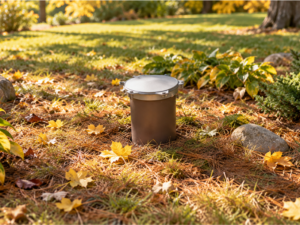
Fall Well Maintenance: 5 Things to Check Around Your Well
Fall brings cooler mornings, falling leaves, and plenty of outdoor cleanup. But while you’re getting your yard ready for winter, there’s one important part of your property you shouldn’t overlook: your water well.
A little fall well maintenance can help you spot potential problems before snow, ice, and freezing temperatures arrive.
Your well cap may not look like much, but it plays an important role in protecting your drinking water from debris, insects, small animals, and surface contamination.
Fall Well Maintenance Checklist: 5 Things to Check
Here are five things worth checking around your well this fall to help protect your water supply and keep your well in good condition.
1. Check Your Well Cap
Your well cap is one of the first defenses against outside contamination.
Take a close look at the cap itself. Is it cracked, warped, loose, or missing a bolt?
A properly installed sanitary well cap should fit securely on top of the casing and help prevent insects, debris, and small animals from entering your well.
What to look for: Visible cracks, missing fasteners, gaps, or signs that the cap isn’t properly secured.
If something looks damaged or loose, have a well professional inspect it rather than attempting to remove the cap yourself.
2. Check Your Well Casing Height
The well casing is the pipe extending from the ground with the cap on top.
Your casing should extend above the surrounding ground level in accordance with applicable well construction requirements. This helps protect your well from surface runoff, melting snow, and pooling water.
If the casing is sitting at or below ground level, water may collect around the opening, increasing the risk of contamination.
What to look for: A casing that appears too low, has become partially buried, or is surrounded by raised soil or landscaping.
If you’re unsure whether your casing is at the correct height, a well professional can evaluate it.
3. Look at the Surrounding Ground
Over time, soil can settle and create a low spot around your well.
Instead of directing rainwater away, that depression can collect water right next to the casing.
Ideally, the ground should slope gently away from the well so rain and melting snow drain outward rather than gathering at the base.
What to look for: Sunken soil, puddles, erosion, or signs of water collecting near your well after heavy rain.
Proper drainage around your well is an important part of protecting it from surface contamination.
4. Inspect the Vent Screen
Many well caps include a small screened vent that allows air movement while helping keep insects and other debris out.
Although the vent is easy to overlook, it’s an important part of the well cap assembly.
If the screen becomes torn, damaged, or dislodged, it may provide an opening for unwanted material to enter.
What to look for: A missing, torn, or visibly damaged vent screen.
If the screen needs repair, contact a qualified well professional.
5. Clear Away Leaves and Vegetation
A little fall landscaping around your well can make a difference.
Leaves, brush, and overgrown vegetation can make the wellhead difficult to see and access. They may also hide problems with the cap, casing, or surrounding ground.
Clear leaves and brush back a couple of feet, keeping the area tidy and accessible without disturbing the casing or the slope of the surrounding ground.
What to look for: Overgrown shrubs, accumulated leaves, branches, or other materials crowding the well.
Keeping the area visible makes future inspections and maintenance easier.
Can a Damaged Well Cap Affect Your Water Quality?
Yes. A damaged or improperly secured well cap can increase the risk of contaminants entering your private well.
And here’s the important part: You can’t always tell whether your well water is safe just by looking at it.
Water can appear perfectly clear and still contain bacteria or other contaminants that require laboratory testing to identify.
According to the U.S. Environmental Protection Agency (EPA), private well owners should test their water annually for total coliform bacteria, nitrates, total dissolved solids, and pH.
Additional testing may be recommended after flooding, well repairs, or noticeable changes in water quality.
If you discover a damaged well cap or have concerns about possible contamination, having your water tested can help identify potential problems.
County Pump & Supply provides water quality testing and solutions to help homeowners understand what’s in their water and determine whether treatment is necessary.
Frequently Asked Questions About Fall Well Maintenance
How often should I inspect my well cap?
It’s a good idea to visually inspect your well cap at least once a year, particularly during seasonal maintenance. You should also check it after severe storms, flooding, or other events that might damage the wellhead.
Look for cracks, missing bolts, loose fittings, or other visible signs of damage.
Can I inspect my well cap myself?
Yes. Homeowners can visually inspect their well cap, casing, and surrounding ground without removing or opening any equipment.
However, if the cap appears damaged, loose, or improperly sealed, contact a qualified well professional for an inspection and any necessary repairs.
How often should private well water be tested?
Private well water should generally be tested at least once a year for common contaminants, including bacteria and nitrates.
Additional testing may be necessary after flooding, well repairs, or changes in your water’s taste, odor, or appearance.
A water quality professional can help determine which tests are appropriate for your well.
Keep Your Well in Good Shape This Fall
Your well works year-round to supply water to your home. Taking a few minutes to check the area around it can help you recognize potential problems before they become bigger concerns.
If anything looks off — or you’re simply not sure what you’re looking at — County Pump & Supply is here to help.
Family owned since 1990, our team provides well system inspections and maintenance for homeowners throughout Massachusetts, New Hampshire and Pennsylvania.
Good Water Starts With a Well-Cared-For Well.