
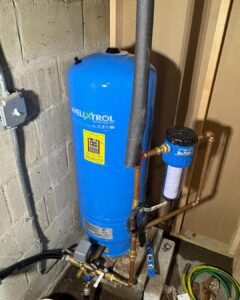
A reliable well pump is essential for delivering clean water to your home.
Whether you use your well system for drinking water, cooking, bathing, or household chores, the pump is responsible for moving water from the well to your taps. Like any mechanical equipment, however, a well pump will not last forever.
Understanding the typical well pump lifespan can help homeowners plan for maintenance, avoid unexpected breakdowns, and make informed decisions about repairs or replacement. While some pumps can operate efficiently for decades, others may fail sooner due to water quality issues, heavy usage, or lack of maintenance.
In this guide, we’ll explore the well pump life expectancy, factors that affect longevity, warning signs of failure, and when it may be time to replace your system.
What Is the Average Well Pump Life?
The average well pump life depends on the type of pump, how frequently it operates, and the conditions in which it works. In general, most residential well pumps last between 8 and 15 years, although some can continue operating for 20 years or more with proper care.
Several factors influence pump longevity, including:
- Water quality
- Pump size and capacity
- Installation quality
- Maintenance schedule
- Household water demand
- Electrical system stability
Because every well system is different, there is no universal lifespan that applies to all pumps. However, understanding the typical lifespan of various pump types can help set realistic expectations.
How Long Do Submersible Pumps Last?
One of the most common questions homeowners ask is, how long do submersible pumps last?
Submersible pumps are installed deep inside the well and operate underwater. Because they are protected from weather exposure and remain submerged during operation, they often last longer than other pump types.
A properly installed submersible pump typically lasts:
- 10 to 15 years on average
- Up to 20 years or more with regular maintenance
- Longer in wells with clean water and stable operating conditions
Submersible pumps are popular because they are efficient, quiet, and less prone to certain mechanical issues. Since they push water upward rather than pulling it, they generally experience less strain during operation.
However, factors such as sediment, sand, mineral deposits, and electrical problems can significantly reduce their lifespan.
Factors That Affect Well Pump Lifespan
The actual well pump life expectancy depends on several important factors. Understanding these factors can help homeowners maximize the lifespan of their equipment.
- Water Quality
Water quality plays a major role in pump longevity. High levels of sand, sediment, iron, or other minerals can cause excessive wear on internal components. Over time, abrasive particles can damage impellers, seals, and bearings, reducing efficiency and shortening pump life.
If your well produces water with high mineral content, installing appropriate filtration equipment may help protect the pump. - Frequency of Use
The more frequently a pump operates, the faster its components wear out. Large households often place greater demands on well systems because of:- Frequent showers
- Laundry loads
- Dishwasher use
- Outdoor irrigation
- High daily water consumption (A pump serving a family of six may wear out faster than one serving a household of two.)
- Proper Sizing
An incorrectly sized pump can significantly reduce its lifespan. A pump that is too small may run continuously in an attempt to meet demand. A pump that is too large may cycle on and off excessively, causing unnecessary strain on electrical and mechanical components.
Professional sizing ensures the pump matches the well depth and household water requirements. - Electrical Issues
Voltage fluctuations, power surges, and faulty wiring can all damage pump motors. Electrical problems often cause premature pump failure by overheating internal components or placing excessive stress on the motor.
Installing surge protection can help reduce the risk of electrical damage. - Lack of Maintenance
Routine maintenance is one of the most effective ways to extend the well pump lifespan. Regular inspections can identify minor problems before they become costly failures. Homeowners who neglect maintenance often experience more frequent breakdowns and shorter pump life.
Signs Your Well Pump May Need Replacing
Even a well-maintained pump will eventually reach the end of its service life. Recognizing the warning signs early can help prevent complete system failure.
- Low Water Pressure
One of the most common signs of pump problems is reduced water pressure. If your taps, showers, or appliances are receiving less water than usual, the pump may be struggling to maintain adequate pressure. While other issues can also cause low pressure, an aging pump is often a contributing factor. - Air Sputtering from Taps
If air comes out of your taps before water flows, it may indicate a failing pump or a problem within the well system. This issue often occurs when the pump cannot consistently draw water from the well. - Dirty or Cloudy Water
Water that contains sediment, dirt, or unusual particles may indicate that the pump is pulling material from the bottom of the well. In some cases, worn pump components can contribute to this problem. - Unusual Noises
Grinding, clicking, rattling, or other unusual sounds should never be ignored. These noises may signal worn bearings, damaged impellers, motor issues, or other mechanical problems that require professional attention. - Constant Pump Cycling
A pump that turns on and off repeatedly may be experiencing pressure tank problems or internal pump wear. Excessive cycling places additional stress on the system and can significantly shorten its lifespan. - Increased Electricity Bills
As pumps age, they often become less efficient. If your electricity bills increase without a clear explanation, the pump may be working harder to deliver the same amount of water. - Frequent Repairs
Occasional repairs are normal, but repeated service calls can indicate that the pump is nearing the end of its useful life. When repair costs begin to add up, replacement may become the more economical solution.
When to Replace a Well Pump
Many homeowners wonder when to replace a well pump rather than continue repairing it.
Several factors can help determine the best course of action.
Age of the Pump
If your pump is approaching or exceeding its expected lifespan, replacement may be the most practical choice.
For example:
- Submersible pumps over 15 years old
Jet pumps over 10 to 12 years old
Older pumps are more likely to experience major failures. - Cost of Repairs
A good rule of thumb is to compare repair costs against replacement costs. If repairs represent a significant percentage of the cost of a new system, investing in replacement often makes more financial sense. - Declining Performance
Persistent issues such as low pressure, inconsistent water delivery, or frequent cycling may indicate that the pump is no longer capable of operating efficiently. - Reliability Concerns
For many homeowners, reliability is essential. A failing pump can leave your household without water when you need it most. Replacing an ageing pump before it completely fails can help avoid emergency situations.
How to Extend Your Well Pump Life Expectancy
While no pump lasts forever, several maintenance practices can help maximize pump life expectancy.
- Schedule Annual Inspections
Professional inspections can identify developing issues before they become major problems.
Technicians can evaluate:
• Pump performance
• Pressure settings
• Electrical connections
• Pressure tank condition - Maintain Your Pressure Tank
The pressure tank works closely with the pump. A properly functioning tank reduces cycling and helps prevent unnecessary wear on the pump motor. - Test Water Quality
Regular water testing can identify sediment, iron, minerals, and other contaminants that may damage pump components. Early treatment can extend equipment life and improve water quality. - Address Electrical Problems Quickly
Never ignore flickering power, tripped breakers, or voltage fluctuations affecting your well system. Prompt repairs can prevent expensive motor damage. - Prevent Dry Running
A pump that operates without sufficient water can overheat and fail rapidly. Monitoring water levels and maintaining the well properly can help prevent dry-running conditions.
Professional Maintenance Can Extend Well Pump Life
While factors such as water quality and usage affect well pump lifespan, professional maintenance can help identify issues before they lead to costly failures. Regular inspections can help:
- Detect worn or failing pump components
- Identify pressure tank problems
- Improve system efficiency
- Prevent unexpected breakdowns
- Extend overall well pump life expectancy
If you’re experiencing low water pressure, frequent cycling, unusual noises, or inconsistent water flow, it may be time to have your system inspected. For homeowners in Massachusetts, New Hampshire, and Pennsylvania, County Pump provides well pump repairs, installations, maintenance, pressure tank services, water testing, and complete well system solutions.
Our experienced team works with submersible pumps, jet pumps, booster systems, and constant pressure systems to help homeowners maximize the average well pump life and avoid premature replacements.
Whether you’re trying to determine when to replace a well pump or simply want to keep your current system running efficiently, professional maintenance can help protect your investment and keep your water flowing reliably.