
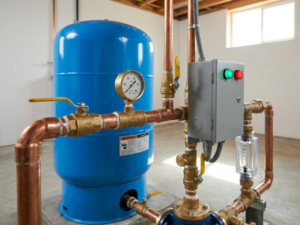
Well Pump or Plumbing Problem? How to Tell the Difference
No water? Low water pressure? Strange noises coming from your pipes? When something goes wrong with your home’s water supply, one of the first questions homeowners ask is: Is it my well pump, or is it a plumbing problem? No matter what problem you are experiencing in your home, it’s important to recognize the warning signs of both well pump and plumbing problems and know when to call a well pump specialist or plumber. This guide will show you how to tell the difference between well pump problems and plumbing issues, along with simple checks to help identify the issue.
Common Signs of a Well Pump Problem
Certain symptoms and problems with your water supply and plumbing system may point to a problem with your well pump and its associated equipment. These are some common signs of a well pump problem to help you compare well pump vs. plumbing problems. Some of these issues could be caused by a few system faults and may require further investigation by a well pump specialist or plumber.
-
No water throughout your house: A failed well pump, electrical issue, low water supply, or pressure system malfunction may be responsible for the lack of water.
-
Sudden loss of water pressure: The pump may be struggling to deliver water around your home, or a pressure switch or tank may be malfunctioning.
-
Pump running constantly: This can indicate a leak, pressure tank issue, or pump problem.
-
Unusual noises: Clicking, humming, or grinding sounds near the pump may be caused by an electrical or mechanical issue.
-
Intermittent water supply: Water that stops and starts may indicate a pump or pressure system problem.
Signs You May Have a Plumbing Problem
Certain plumbing problems in homes are more likely to originate within your home’s plumbing system. These signs are more likely to be caused by something other than your well pump but still usually require you to call a plumber for support. Keep in mind that a plumbing leak can still affect your entire home’s water supply and cause your well pump to run excessively.
-
Low water pressure in one faucet: A clogged aerator or localized pipe issue may be responsible.
-
Leaks under your sinks or around fixtures: Visible leaks usually point to a plumbing issue.
-
One fixture has no water: A blocked pipe, faulty valve, or damaged faucet may be the cause if this issue is just in one fixture.
-
Dripping pipes or unusual drain noises: These can indicate plumbing or drainage issues rather than a well pump failure.
Simple Checks to Help Identify Well Pump vs. Plumbing Problems
Here are a few easy checks you can do before calling a well pump specialist or plumber. During these checks, don’t open electrical enclosures, dismantle the pump, or attempt repairs involving electrical components without professional support.
-
Check whether the problem affects the whole house or just one faucet.
-
Test whether both hot and cold water are affected.
-
Look for visible leaks around pipes and fixtures.
-
Check whether the pump’s circuit breaker has tripped.
-
Look for water around the pressure tank or signs of unusual pump cycling.
When to Call a Well Pump Specialist or Plumber
In many of the situations we’ve described above involving well pump problems or plumbing issues, you will likely need to call a professional for support. Call a well pump specialist for a complete loss of water throughout your home, suspected pump failure, repeated pump cycling, or pressure system challenges. A plumber may be more appropriate for leaking fixtures, clogged faucets, or problems affecting only one part of your plumbing system. If you have flooding, an electrical hazard, or possible contamination of your home’s drinking water, seek help urgently.
FAQs
How do I know if my well pump is failing or if I have a plumbing problem?
If you have no water or low water pressure throughout your home, the problem may involve your well pump, pressure tank, or water supply. Identifying whether the problem affects your entire house or just one area can help you decide whether you need to call a well pump specialist or a plumber.
Can a faulty well pump cause low water pressure?
Yes, a faulty well pump can cause low water pressure or a complete loss of water. Remember that these symptoms can also indicate a pressure switch or pressure tank issue, a leak, or a low well water level.
Should I call a plumber or a well pump specialist if I have no water?
If your entire home has lost its water supply, contact a well pump specialist to check the pump, pressure tank, electrical supply, and other components. If the problem is limited to a single faucet or fixture, a plumber may be the better choice.
Identifying the source of a water problem in your home early on can help to prevent further damage and unnecessary repairs. Here at County Pump, we have been supporting homeowners with water pump and tank issues for over three decades. Contact us today to book a visit from our team or to learn more about the services we offer.
Contact Us Today
Whether you’re dealing with low water pressure, no water, or a leak, County Pump & Supply can help identify the problem and find the right solution. Serving homeowners with well and pump services in Massachusetts, New Hampshire and Pennsylvania, plus plumbing services in Massachusetts.